
How Millets Can Help Manage Diabetes Naturally
Discover How Millets Can Help Manage Diabetes Naturally. Learn the science behind how replacing refined white rice and modern wheat with ancient millets optimizes your insulin sensitivity and creates steady, long-lasting energy.
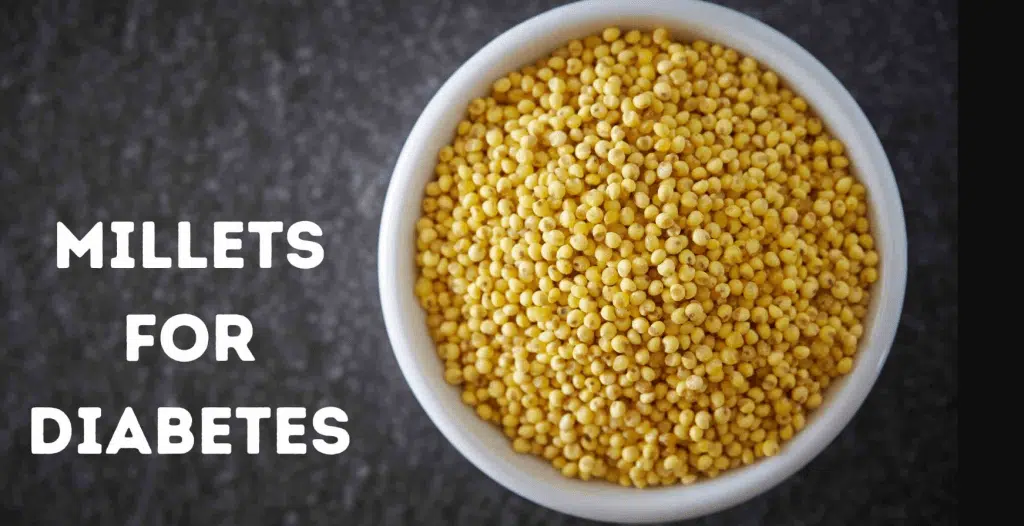
How Millets Can Help Manage Diabetes Naturally With metabolic health challenges rising across the globe, finding natural, sustainable ways to manage blood sugar has never been more critical. While medication can play a vital role, your kitchen is the ultimate starting point for reversing insulin resistance. For centuries, ancient cultures relied on a powerful dietary weapon that modern diets have largely forgotten: Millets. These unrefined, nutrient-dense super-seeds are uniquely structured by nature to combat metabolic swings. Here is how adding millets to your daily routine can help you manage diabetes naturally.
1. The Power of a Low Glycemic Index (GI)The primary challenge in managing diabetes is preventing sudden surges of glucose in the bloodstream. This is where millets shine. Most ancient millets have a low to medium Glycemic Index. When you consume foods with a low GI, your digestive enzymes break down the carbohydrates at a highly controlled, gradual pace. Instead of a massive flood of sugar entering your bloodstream all at once, millets release a slow, steady trickle of glucose, keeping your energy stable and your blood sugar readings flat.
2. Fiber-Rich Matrix Complexities Unlike modern processed grains where the fiber is only on the outer layer, millets are whole grains where the dietary fiber is integrated right through the entire grain structure. Slowing Down Absorption: The soluble and insoluble fiber inside grains like Foxtail millet or Barnyard millet forms a gel-like layer in your gut, slowing down the absorption of starches. Improving Gut Flora: This rich fiber acts as a prebiotic, feeding the beneficial bacteria in your microbiome. A thriving gut microbiome directly correlates with improved insulin signaling and lower systemic inflammation.
3. Boosting Insulin Sensitivity with Magnesium Millets are exceptionally rich in magnesium, a vital mineral that acts as a co-factor for more than 300 enzymes in the human body, particularly those involved in glucose utilization. Magnesium plays a foundational role in helping your cells open up to receive insulin. When your body is deficient in magnesium, your cells become resistant to insulin, forcing your pancreas to overproduce it. Consuming magnesium-dense grains like Sorghum (jowar) or Pearl Millet (bajra) helps restore this natural cellular pathway, making your body naturally more efficient at processing carbohydrates.
4. Keeping Cravings and Weight in Check A major hurdle in long-term diabetes management is dealing with frequent hunger pangs and sweet cravings caused by crashing blood sugar levels. Because millets are packed with complex proteins and heavy fibers, they take longer to exit the stomach. This extended digestion window provides high satiety, meaning you feel full and satisfied for a much longer period. By eliminating the mid-day energy dips, millets automatically help reduce overeating and assist in managing visceral fat, which is a major driver of insulin resistance.
The Verdict: The Natural Switch Managing diabetes naturally does not mean depriving yourself of hearty meals. By simply replacing your regular white rice or refined wheat flour with ancient unrefined alternatives—such as a warm jowar roti, a comforting bowl of foxtail millet khichdi, or ragi porridge—you introduce a highly effective, time-tested strategy to keep your blood sugar balanced naturally.